Pandas to Polars: Why Speed Matters for Finding the Truth
You can't ignore the performance advantage of Polars anymore. Moving from Pandas' in-place mutations to Polars' declarative expressions lets you verify truth across much larger datasets.
 Val Data
Data insights, analytics, and technical explorations.
I’m Dominick Ryan, a systems and IT operations engineer. I build dependable cloud foundations, automate administrative overhead through code, and profile compute, security, and lifecycle trade-offs across distributed environments. This site documents systems benchmarks, operational architectures, and technical postmortems from platforms I maintain. There are also some personal opinions and musings, which you are free to ignore, embrace, or rail against as suits you.
You can't ignore the performance advantage of Polars anymore. Moving from Pandas' in-place mutations to Polars' declarative expressions lets you verify truth across much larger datasets.
Python 3.15 makes UTF-8 the default across all platforms. Legacy PowerShell 5.1 can still get in the way.
How a hybrid workflow pairing basic Python pre-filtering with a local, air-gapped AI model turned an unmanageable 40 MB production log dump into an actionable root-cause analysis.
Real-time MTA arrival tracking, live weather commute alerts, and historical performance diagnostics for the Q and B corridor.
Launch Tracker →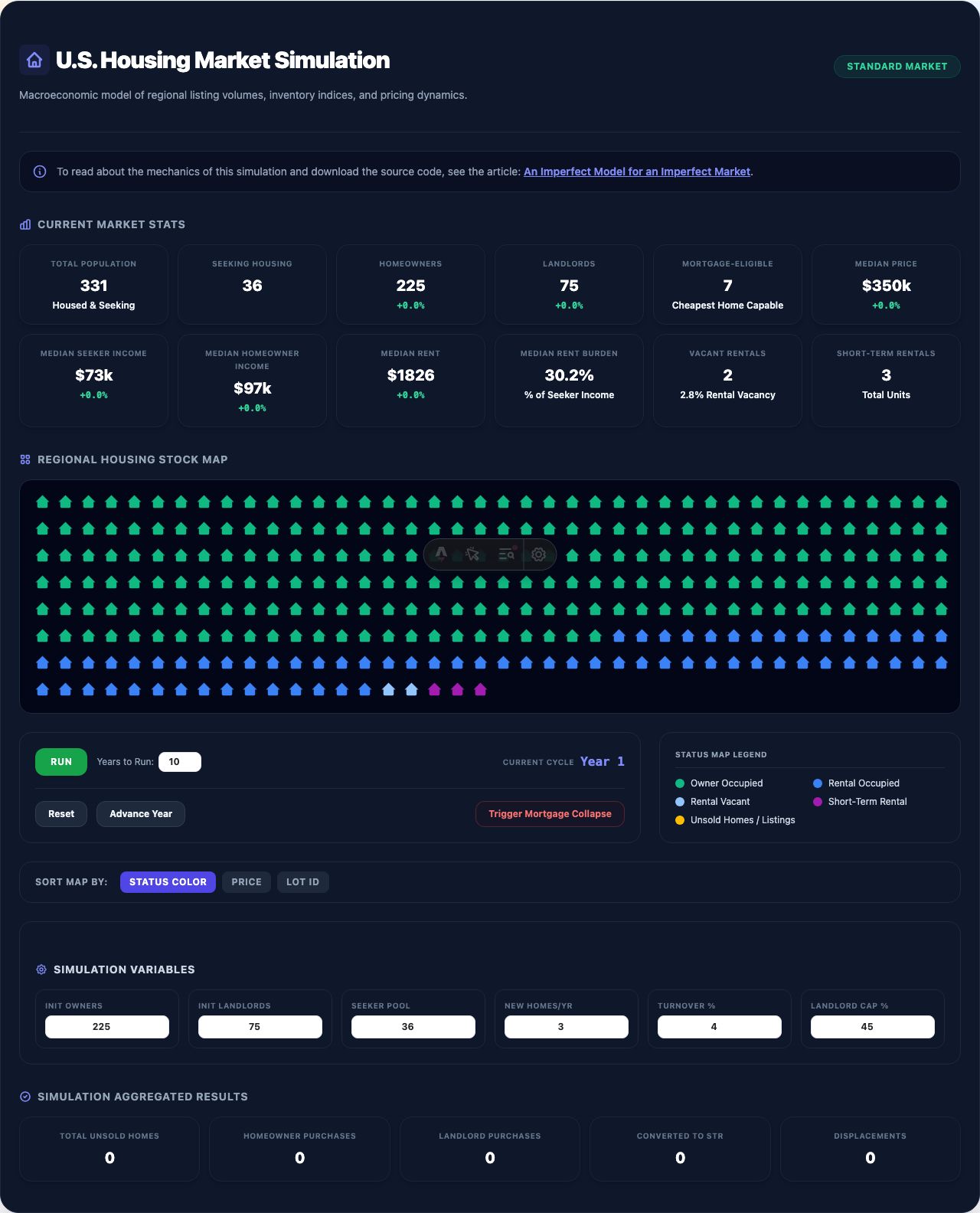
Interactive computational model simulating regional listing volumes, inventory absorption, foreclosure rates, and market pricing.
Run Simulation →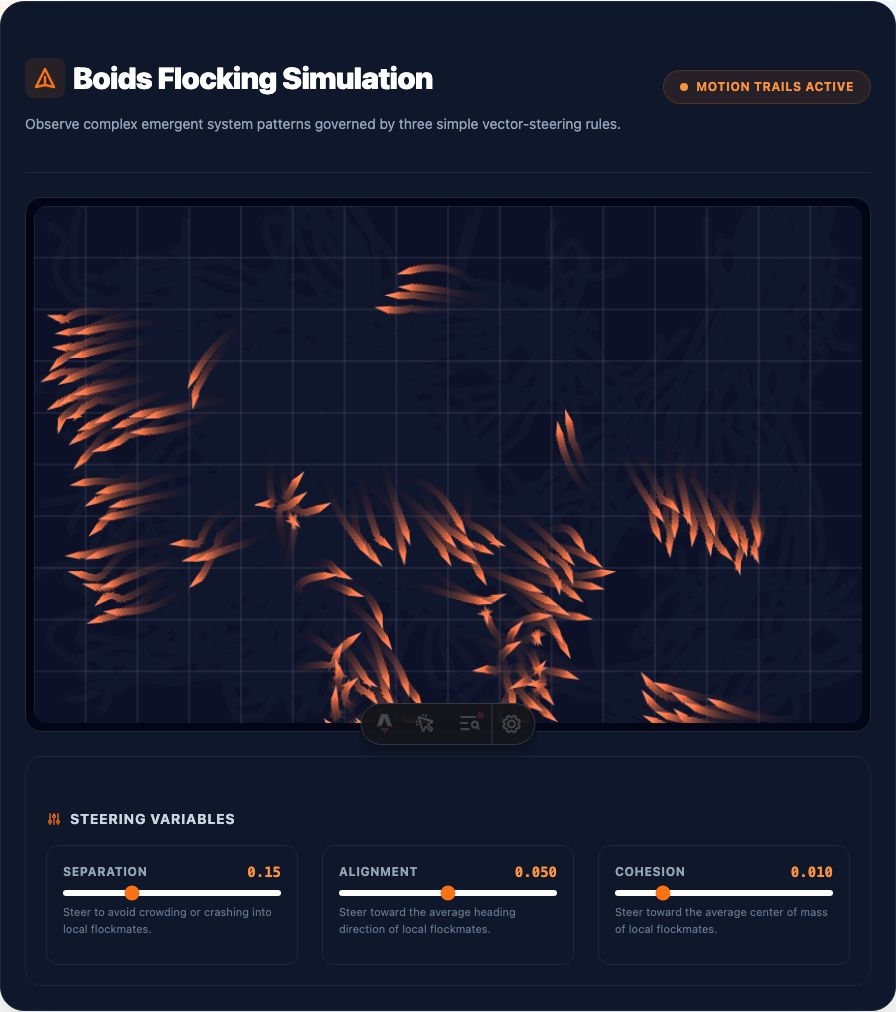
Observe emergent complexity through three simple steering rules: Separation, Alignment, and Cohesion in a real-time vector canvas.
Launch Simulation →Explores architectural design patterns in modern software systems that align system internals with user perception, enhancing legibility, usability, and maintainability.
A comprehensive scientific review highlighting advanced delivery vehicles (both viral and non-viral) designed to improve CRISPR/Cas9 target efficiency and specificity.
Introduced the ResNet architecture and residual connections, enabling the training of extremely deep neural networks by resolving the vanishing gradient problem.